Poker Table Positions Explained

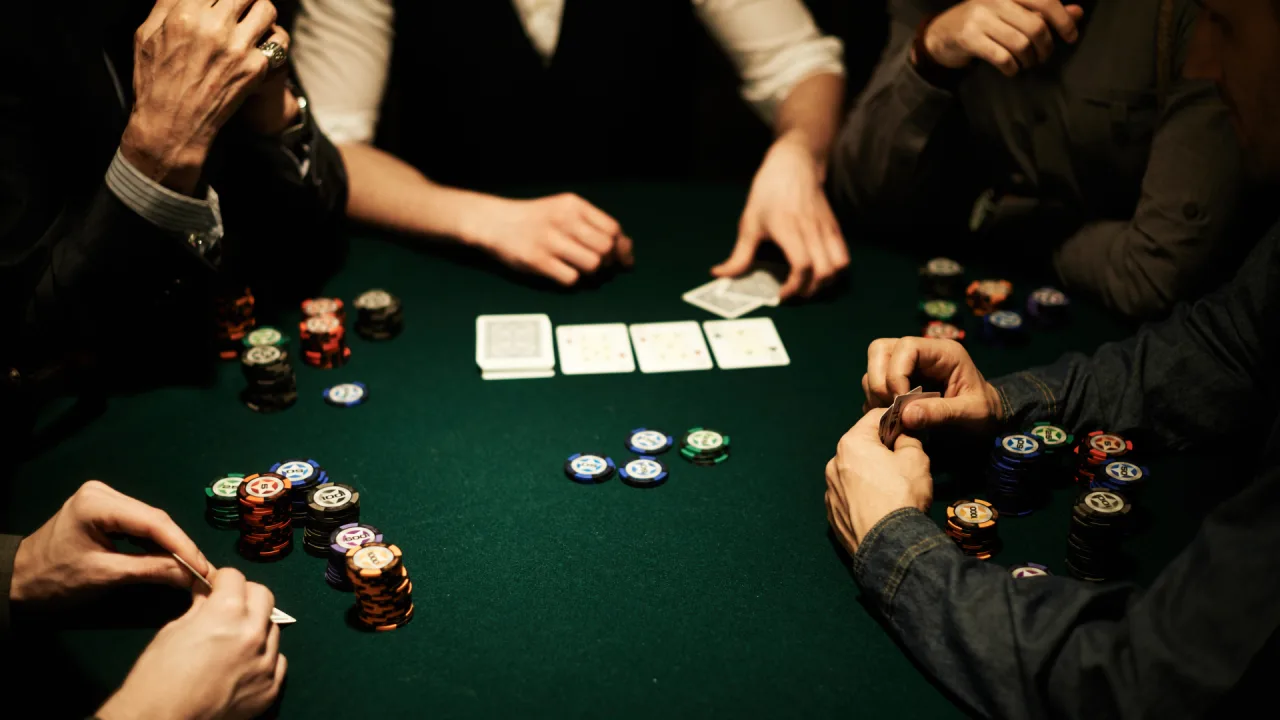
Poker is a classic casino card game demanding skill, strategy, and a dose of luck. A key element to winning at poker is mastering table positions. Understanding these positions is crucial for making smarter decisions, maximising your wins, and minimising your losses.
Different table positions in poker require distinct approaches. Each player must consider their cards in relation to their position at the table. This article focuses on understanding poker table positions and how they influence gameplay.
Early Positions (Small & Big Blinds)
The early positions at a poker game table are the first few seats to the dealer's left. Early Positions (EP) typically refer to the first three players from the dealer, including the Small Blind, Big Blind, and the player immediately to their left. This third player is known as UTG or 'Under the Gun'.
Players in these positions are at a disadvantage as they act first in each betting round. They must make decisions based solely on their hand strength, without any information about their opponents' actions.
However, there are strategies players can employ to leverage their early positions.
- Play aggressively: This involves calling or Reraising if someone attempts to steal your blinds, or even bluffing if your starting hand isn't strong.
- Play selective hands: Concentrate on premium starting hands like high pairs (AA, KK), AK, AQ, or other hands considered very strong. This approach helps minimise losses and secure pots when holding a powerful hand.
Middle Positions
The middle poker positions on the table refer to players who act after those in the early positions, but before those in the late positions.
- Players in the middle positions have a slight advantage over those in the early positions, as they don’t have to play first. Still, middle positions can be tricky, as they have to play before the players in the latter positions.
- One of the key tricks for playing middle positions in poker is to play a wider range of hands than those in the early positions. Of course, all hands have to be tailored to the player’s cards from early positions.
There is a very successful strategy that can be implemented by players in the middle positions. If they have a strong hand and the early positions already placed a bet, they may re-raise, in order to force blinds to fold and steal the pot.
If a player is in the middle position, he should be very careful with aggressive late-position players and wait for stronger hands, otherwise, fold.
Late Positions
The late positions in poker are the best ones for a player to be in. These positions are the Cutoff and the Button, which are the last two positions to act in a hand. The Button is considered the most favorable position in poker, as the player in this act lasts in every betting round, giving them a significant advantage over the others.
- Playing from the late positions has the advantage of seeing how other players act and making better decisions about whether to bet, raise or fold.
- Another benefit of playing from a late position is that the pot size can be easily controlled. If no one has raised, depending on his hand, the player may decide to bet small to increase the pot or bet big, in order to bluff his opponents.
Playing from the late positions can be beneficial for a variety of poker hands that can be played as well. Both the cutoff and button can play hands, considered weaker, depending on how opponents played, and also what the pot size is.
In Summary
Understanding the poker table positions is essential to becoming a good player. All positions have a set of benefits and drawbacks, so knowing how to play from each can be a huge advantage over bettors who are not that familiar with gameplay.
Each position in poker is very different and has to be played differently, but they have a lot of things in common, which revert to having a good poker betting strategy. So, bettors should not only be familiar with poker positions, but also be well-prepared with their own game flow.
With practice, players can learn how to read their opponent's actions and make the best decisions from any position.
FAQ
Why is position important in poker?
In poker, your position at the table significantly impacts your strategy. Acting later in a round gives you more information about your opponents' actions, allowing for more informed decisions. This advantage is crucial for successful play, especially in games like Texas Hold'em.
What is the worst position in poker?
The small blind is often considered the toughest spot. You're forced to put in money before seeing your cards and act first after the flop, putting you at a disadvantage. Managing this position well is key to a solid poker strategy.
What is a late position in poker?
Late positions, specifically the cutoff and the button (dealer), are highly advantageous. You get to observe most players' actions before making your own, giving you valuable insights into their hand strengths and tendencies. Use this information wisely to maximize your winnings.
What is the early position in poker?
Early positions include the Small Blind (SB), Big Blind (BB), and Under the Gun (UTG). These positions require a tight and disciplined strategy, as you act before most of the table and have limited information. Play strong hands and avoid unnecessary risks.
What is a middle position in poker?
Middle positions come after the early positions but before the late positions. This spot offers a mix of information and uncertainty. You've seen some players act, but still need to contend with the late position players. Adapt your strategy based on the table dynamics.
What are the best positions in poker?
The cutoff and button are generally considered the best positions. Being last to act allows you to control the pot size, bluff effectively, and extract maximum value from strong hands. Master these positions to improve your win rate in poker games in India.